
.svg)
.svg)
.svg)



Luxury cabin investments have emerged as a premier asset class for investors seeking a combination of high cash flow, significant tax advantages, and personal lifestyle benefits. Unlike standard residential rentals, luxury cabins operate as high-end hospitality businesses that command premium nightly rates. This comprehensive guide explores the strategic framework required to identify, develop, and manage a luxury cabin portfolio that generates long term wealth while providing a hedge against market volatility.
A luxury cabin is defined by more than just its square footage or the quality of its wood. In the world of short term rentals, luxury is a combination of exclusivity, high-end design, and superior amenities that justify a nightly rate often five to ten times higher than a standard hotel room. To build wealth in this space, you must transition from a landlord mindset to a hospitality mogul mindset.
Wealth building through cabins relies on the "experience economy." A luxury asset usually features custom architecture, such as floor-to-ceiling glass walls, cathedral ceilings, and designer interiors. It is situated in a location that offers either total seclusion or breathtaking natural views, such as a mountain ridge or a private lakefront. Investors look for properties that can accommodate large groups or high-net-worth couples, as these demographics are less sensitive to economic downturns and more likely to book during off-peak seasons.
The financial appeal of luxury cabins lies in the "yield on cost." While a luxury cabin might cost $800,000 to $1.5 million to develop, the gross annual income can often exceed $150,000 to $200,000. This creates a cap rate that significantly outperforms traditional multi-family or single-family residential investments. By focusing on the luxury tier, you reduce the "wear and tear" per dollar earned, as you need fewer bookings to reach your revenue goals compared to a budget-friendly rental.

Location is the most critical factor in the appreciation and occupancy of your investment. For a cabin to be considered a luxury asset, it must be located in a "drive-to" destination that remains popular year-round. These are typically areas within a three to five-hour drive of major metropolitan hubs, ensuring a steady stream of weekend travelers.
When searching for land or existing cabins, look for markets with a proven track record of tourism but limited high-end inventory. Markets like the Smoky Mountains, the Blue Ridge Mountains, or the Broken Bow area have shown immense resilience. You want to identify "micro-locations" within these markets. A cabin with a sunset view on a steep ridge will always outperform a cabin in a flat wooded lot, even if the structures are identical.
Use data analytics tools to study the "saturation" of the market. You are looking for a gap in the supply. If a market has 500 two-bedroom cabins but only 10 five-bedroom luxury lodges with indoor pools, that is your entry point. Wealth is built by providing the inventory that the market lacks. High-end guests are specifically looking for unique features like "spa-grade" bathrooms or professional-grade kitchens that they cannot find in a standard hotel.
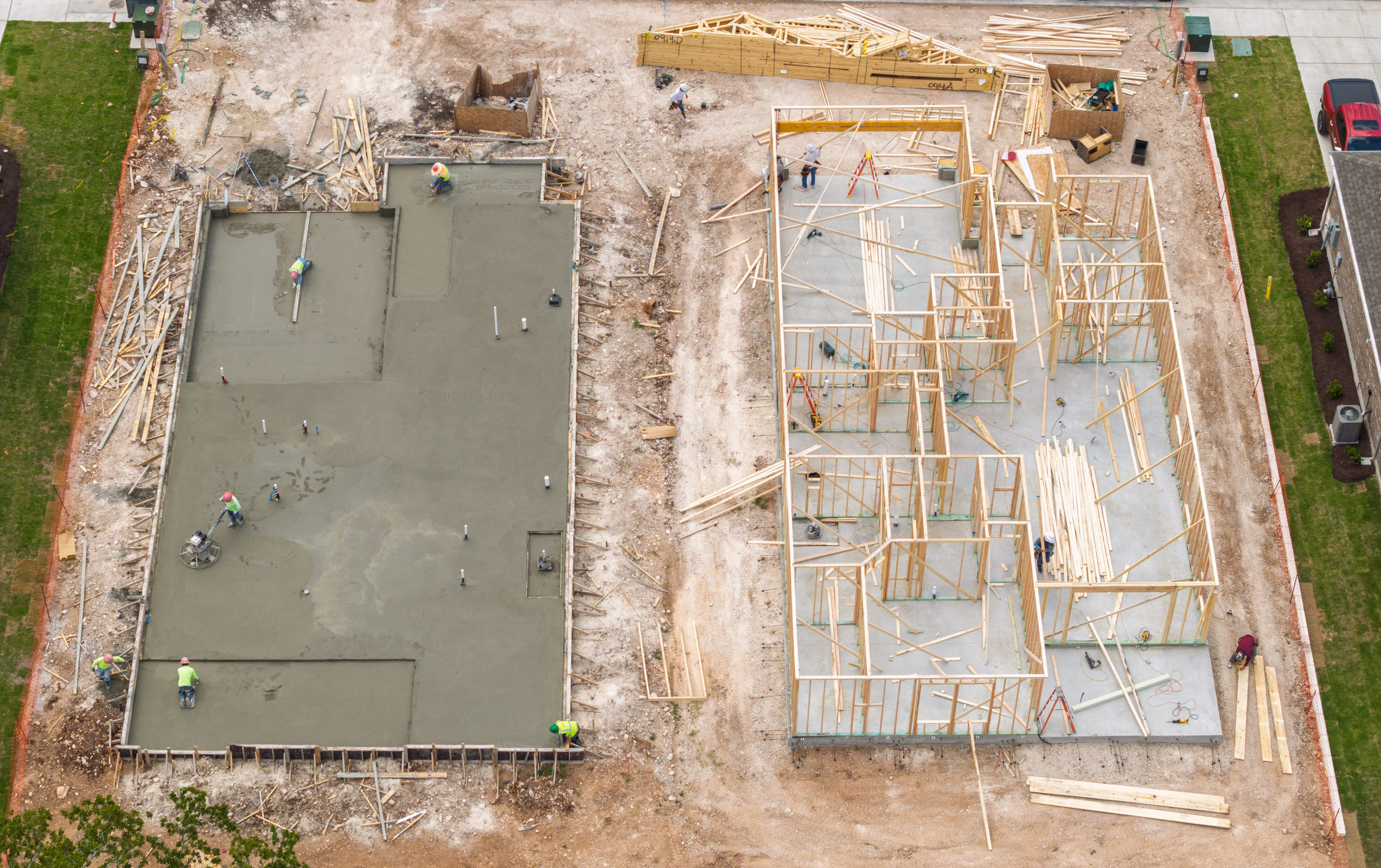
Building a luxury cabin from scratch allows you to bake equity into the project from day one. This "forced appreciation" occurs because the finished value of a high-performing short term rental is often much higher than the cost of the land and construction combined.
Understanding the "time to money" is essential for managing your capital and expectations. Luxury cabin investments are a long-term play, but they offer some of the fastest paths to "break-even" in the real estate world if managed correctly.
The construction phase usually lasts between 10 and 18 months, depending on the complexity of the site. Once the cabin is listed, there is a "ramp-up" period of three to six months. During this time, you are gathering the five-star reviews necessary to trigger the Airbnb or VRBO algorithms. Most luxury cabin owners see a neutral cash flow within the first year of operation and reach full "stabilized" profitability by year two.
Some investors build wealth faster by marketing the property before construction is even finished. By creating a brand on social media during the build, you can build a waiting list of guests. This ensures that the moment your occupancy permit is issued, you have a full calendar. This strategy reduces the "carry cost" of your construction loan and puts you in the black much sooner than a traditional rental launch.
To maximize your return on investment, you must include amenities that guests perceive as "high value" but have a manageable operational cost. These features allow you to charge a premium and keep your occupancy high during the slow season.
Building wealth requires leverage. Because luxury cabins are often treated as "second homes" or "investment properties" by lenders, the financing landscape is different than it is for a primary residence.
Many investors use "DSCR" (Debt Service Coverage Ratio) loans. These loans qualify the borrower based on the projected income of the property rather than personal income or debt-to-income ratios. This is a powerful tool for scaling a portfolio quickly. If the luxury cabin generates enough revenue to cover the mortgage and expenses with a cushion (usually 1.2x coverage), the lender will approve the loan.
If you are building, a construction-to-perm loan is the standard path. You pay interest-only during the build phase, which preserves your cash flow. Once the cabin is complete, the loan converts into a traditional 30-year fixed mortgage. For those with existing equity in other properties, a HELOC (Home Equity Line of Credit) can provide the "down payment" or gap funding needed to start a luxury project without liquidating other stocks or assets.
Even in a high-demand market, poor planning can sink a luxury investment. Wealth preservation is just as important as wealth creation.

When deciding where to park your capital, it is helpful to compare the "active" nature of cabin investing with the "passive" nature of traditional long term rentals.
Standard residential rentals offer stability and lower turnover, but the cash flow is often "thin." A typical house might net $300 to $500 a month after expenses. In contrast, a luxury cabin can net $5,000 to $10,000 a month in peak season. However, the cabin requires more intensive management, higher insurance premiums, and a focus on "dynamic pricing" to stay competitive. If your goal is rapid wealth accumulation and you have the stomach for higher operational intensity, the luxury cabin wins every time.
Tax advantages of short term rental investing
One of the most powerful ways luxury cabins build wealth is through the "Short Term Rental Tax Loophole." This allows investors to use real estate losses to offset their active W-2 or business income, provided certain criteria are met.
By performing a "Cost Segregation Study," you can accelerate the depreciation of your cabin. Instead of depreciating the entire building over 39 years, you can "break out" components like the deck, the pool, the furniture, and the landscaping to be depreciated over 5, 7, or 15 years. This often results in a massive "paper loss" in year one, even if the property is cash-flowing positively. This tax shield can save an investor tens of thousands of dollars in income taxes, which can then be reinvested into the next property.
The modern luxury traveler is increasingly focused on wellness. Designing your cabin to be a sanctuary for mental health is not just a kind gesture; it is a savvy business move that attracts a high-paying, respectful clientele.
Incorporate "biophilic design" by using natural materials and maximizing natural light. Create dedicated spaces for meditation or yoga, perhaps a "zen deck" overlooking the forest. Offering a "digital detox" kit, including a lockbox for phones and a collection of high-quality art books, can be a unique selling point. When guests leave your property feeling truly refreshed and mentally restored, they become "super-fans" who book every year and refer their high-net-worth friends.
How much down payment do I need for a luxury cabin? For investment-backed loans like DSCR, you typically need 20% to 25% down. If you are using a second-home loan, you might be able to put down as little as 10%, though rules around "rental intent" for these loans are becoming stricter.
Do I need to live near the cabin to manage it? No. Most luxury cabin owners use a combination of smart home technology (locks, thermostats, noise monitors) and a reliable local cleaning team. You can manage the bookings from anywhere in the world.
What is the best way to handle guest communication? Use an automated property management system (PMS) like Guesty or Hospitable. These tools send automated check-in instructions and follow-up messages, making the process almost entirely hands-off for the owner.
How do I protect my cabin from "party" groups? Luxury pricing is your first line of defense. Additionally, install exterior cameras (disclosed in your listing) and noise-monitoring devices like Minut. These alert you if the volume exceeds a certain decibel level without recording private conversations.
Is the luxury cabin market getting over-saturated? While the "average" cabin market is crowded, the "true luxury" market is still underserved in many areas. Properties with unique architecture and high-end amenities like indoor pools still see massive demand.
What insurance do I need for a luxury rental? Standard homeowner insurance will not cover you. You need a specialized commercial policy, such as those provided by Proper Insurance or PURE, which covers "business liability" and "loss of income."
The path to wealth through luxury cabin investments is paved with intentional design, data-driven location choices, and sophisticated tax planning. By moving beyond the "basic rental" and creating a high-end destination, you capture a segment of the market that is both lucrative and resilient.
Key Takeaways for Investors:



.svg)
.svg)
.svg)